The first merger.
The oldest acquisition on Earth, and the bill that never stops. Two billion years before the first buyout, a cell bought a capability it could never have built.
For a billion years, the anaerobes ran the world.
Their advantage was a scarcity. Usable energy was hard to assemble, and they were built to assemble it. Nothing else could.
Scarcity was the moat, and their whole architecture assumed it would hold forever.
Then the moat inverted.
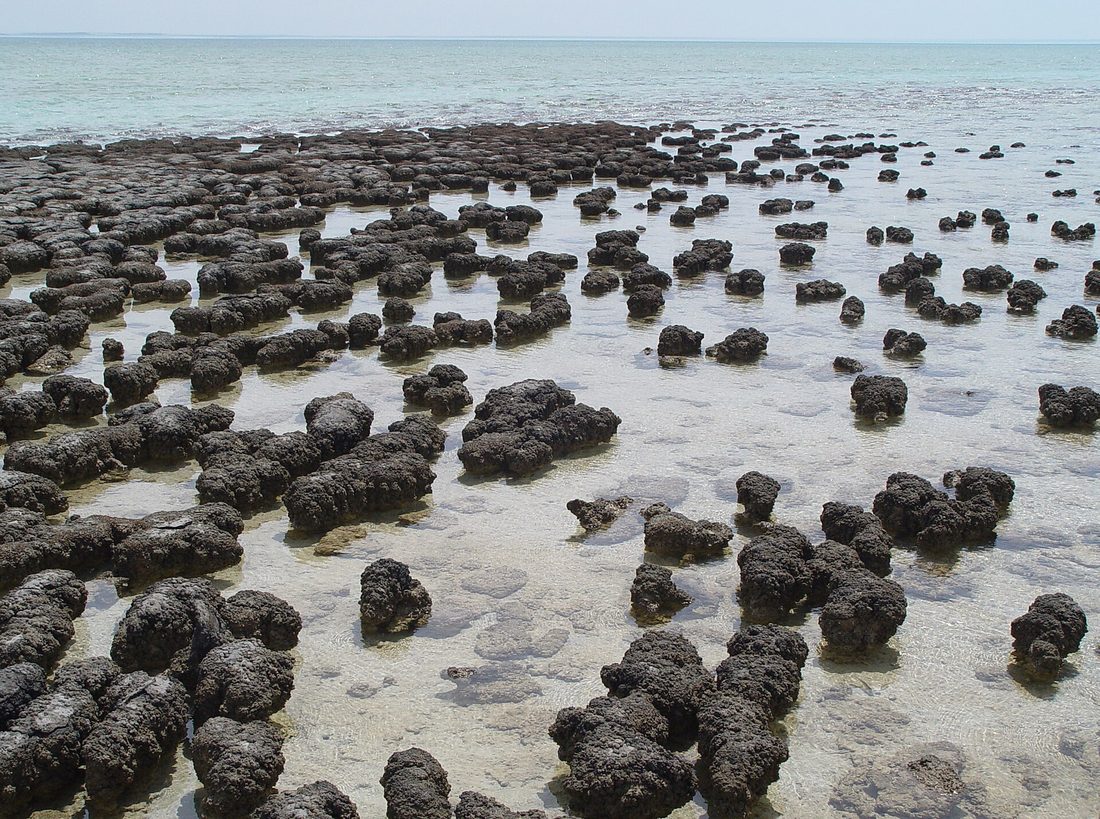
Cyanobacteria filled the sky with a waste product: oxygen. Free, everywhere, and lethal to the life built for its absence.
The scarcity didn’t erode, it became a poison. The incumbents, perfectly adapted to a world that no longer existed, were priced to zero.
One lineage saw the target.
A small free-living bacterium had already learned to run on the new abundance, to turn oxygen into power.
You could spend a billion years evolving that yourself. Or you could acquire the thing that already had it.
So it did, and a cost began.
A larger cell engulfed the bacterium and, instead of digesting it, kept it. The capability was now inside. This is the deal every firm now faces with AI: don’t build it, absorb the thing that has it.
The instant the deal closed, a meter started. Watch the corner. It has not stopped since.
Absorbing it was the easy part.
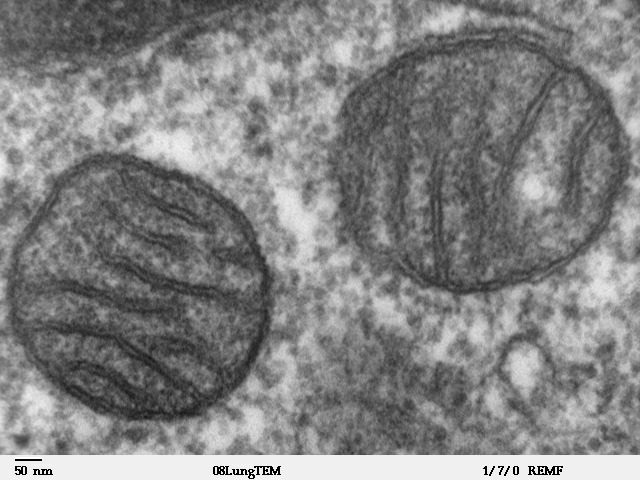
To make it work, the captured bacterium shed all but a handful of its genes, and control of the rest moved to the host’s nucleus.
You cannot bolt a new capability onto the old body and keep both. Integration is subtraction first, the reorganizations, approvals, and roles that only existed for the old way of working.
What survived the merger is the most successful operating model in the history of life.
The complex cell. Specialized parts, each doing the one thing it is built for. A sovereign nucleus that owns the decision. An internalized power plant that compounds, as long as it is maintained.
This is the shape every enterprise is now reaching for.
But look at the meter. It never stopped.
The mitochondrion still carries its own genome. The host still pays, every hour it is alive, to keep it running.
Building the capability was cheap and one-time. Owning it is expensive and forever. If a premium survives at all, it is likelier to sit in the upkeep than in the acquisition.
This deal has closed maybe four times in two billion years.
A capture that becomes a permanent organelle is astonishingly rare. Every other engulfment ended in digestion.
The wager underneath all of it is narrow: building gets cheap while sustaining stays hard. If sustaining also goes to zero, there is no organelle and no premium, just a cell that swallowed something it cannot keep alive.